
Requiem Mass Funeral Duration and What Families Can Expect
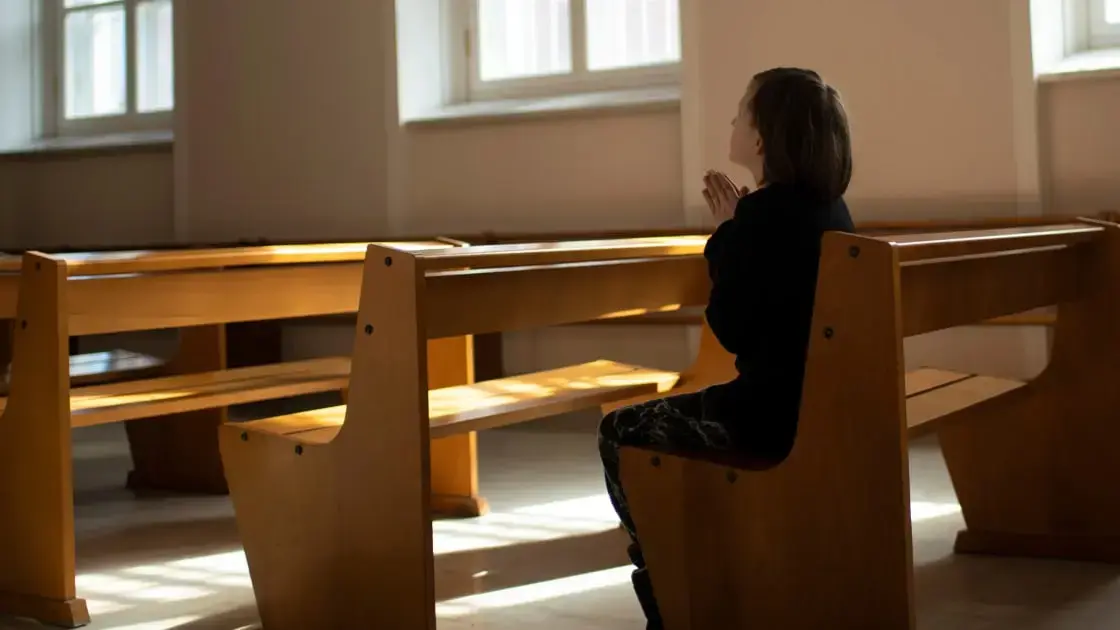
"Learn how long a Catholic Funeral Mass usually lasts, what affects the duration and how much additional time to allow for the procession and committal."
Requiem Mass Funeral Duration is commonly around 45–60 minutes, although the exact timing depends on the parish, music, readings, Holy Communion and any approved words of remembrance.
Families should also allow additional time for arrival, the procession from the church, travel to the cemetery or crematorium and the Rite of Committal. The total funeral itinerary can therefore be considerably longer than the Mass itself.
Confirming the schedule with the parish priest and funeral director before printing programs or notifying guests can prevent confusion on the day.
How Long Is a Requiem Mass Funeral?
A Catholic Funeral Mass will often take approximately 45 minutes to one hour.
This is a practical planning range rather than a fixed rule. Some services may be shorter, while a solemn Mass with music, a large congregation and Holy Communion may approach or occasionally exceed one hour.
The duration may be influenced by:
The number of approved Scripture readings
Whether hymns or sung Mass parts are included
The length of the homily
The number of people receiving Holy Communion
Whether words of remembrance are permitted
The size of the congregation
The pace of the entrance and final processions
Accessibility or mobility requirements
Parish scheduling and local customs
The parish should provide the final expected duration.
Is It Called a Requiem Mass or a Funeral Mass?
Many families use the expression Requiem Mass for a Catholic Mass offered for someone who has died.
The word “requiem” comes from the Latin word for rest and is associated with the traditional prayer asking God to grant eternal rest to the deceased.
In contemporary Australian Catholic practice, the service is also commonly called a:
Funeral Mass
Mass of Christian Burial
Funeral Liturgy within Mass
Some Australian Catholic liturgical guidance prefers the title Funeral Mass, although “Requiem Mass” remains familiar and continues to be used by some parishes and dioceses.
When speaking with the parish, families can use the terminology preferred by the priest or funeral coordinator.
What Is a Catholic Funeral Mass?
A Catholic Funeral Mass is a Eucharistic celebration offered for a deceased person.
During the Mass, the Church:
Proclaims Scripture
Prays for the deceased
Celebrates the Eucharist
Supports family and friends
Expresses faith in Christ’s death and resurrection
Commends the deceased to God’s mercy
The liturgy acknowledges grief while directing the congregation towards Christian hope.
It is not simply a celebration of the person’s achievements or a collection of personal tributes. The central focus remains worship, prayer and the Paschal Mystery—the Catholic belief in Christ’s passage through death to new life.
Requiem Mass Funeral Duration at a Glance
Families can use the following as a broad planning guide:
These are general estimates, not guaranteed schedules.
Sydney traffic, cemetery access, parking, large congregations and movement between venues can significantly affect the overall timetable.
What Happens During the Mass?
The Catholic Funeral Mass follows an established liturgical structure.
Its principal sections include:
Reception and Introductory Rites
Liturgy of the Word
Liturgy of the Eucharist
Holy Communion
Final Commendation
Procession from the church
Families seeking the complete step-by-step sequence can read our guide to the Order of Service for a Catholic Funeral.
Reception and Introductory Rites
The priest may meet the coffin at the entrance to the church.
The reception can include:
A greeting
Sprinkling with holy water
Placement of the funeral pall
A procession into the church
An entrance hymn
An opening prayer
Holy water recalls the deceased person’s baptism. The white funeral pall also reflects baptism and the equal dignity of Christians before God.
The time required for this part may depend on the church layout, the number of pallbearers and whether family members process behind the coffin.
Liturgy of the Word
The Liturgy of the Word includes approved Scripture readings connected with Christian hope, mercy, resurrection and eternal life.
It may include:
A first Scripture reading
A responsorial psalm
A second reading
A Gospel acclamation
The Gospel
A homily
The Universal Prayer
The precise number and selection of readings should be confirmed with the parish.
Family members or friends may be invited to proclaim readings or the prayers of intercession. Readers should receive the approved texts in advance and practise before the service.
Additional readers, long introductions or last-minute substitutions can affect timing and should be avoided unless approved.
The Homily
The priest or deacon delivers the homily after the Gospel.
A Catholic funeral homily is based on Scripture and the Church’s understanding of Christian death. It may acknowledge the life and circumstances of the deceased, but it is different from a eulogy.
The duration of the homily is determined by the celebrant.
Families can provide personal background to the priest beforehand, particularly information about:
The person’s family
Their Catholic faith
Community involvement
Important qualities
Relevant circumstances of the death
This allows the priest to speak sensitively without turning the homily into a detailed life history.
Words of Remembrance
Some parishes permit one person to offer brief words of remembrance before the Final Commendation. Other parishes prefer personal tributes to be shared during the Vigil, wake or reception.
Where words of remembrance are permitted, they may be limited to approximately four or five minutes.
A remembrance should generally be:
Prepared in writing
Brief and focused
Respectful of the sacred setting
Approved by the parish
Delivered by one confident speaker
Multiple lengthy speeches can significantly extend the service and shift its focus away from the liturgy.
For wider guidance, read When Is a Eulogy Read at a Funeral?.
Liturgy of the Eucharist
The Liturgy of the Eucharist normally includes:
Preparation of the gifts
Eucharistic Prayer
The Lord’s Prayer
Sign of Peace
Holy Communion
This section is the principal reason a Funeral Mass is longer than a Catholic Funeral Liturgy outside Mass.
The time required for Communion depends partly on:
Congregation size
Number of eligible communicants
Number of Communion ministers
Church layout
Music during Communion
Mobility and accessibility needs
A large congregation may require additional time even when the rest of the liturgy remains concise.
Holy Communion and Non-Catholic Guests
Catholics who are properly disposed may come forward to receive Holy Communion.
Guests who are not receiving Communion may remain respectfully seated or follow any guidance given by the priest. Practices concerning approaching for a blessing can vary, so visitors should follow the instructions of the individual parish rather than assuming a particular custom.
Guests are welcome to attend the Mass and participate in:
Standing or sitting with the congregation
Approved hymns
Spoken responses
Silent prayer
The Rite of Committal
No guest should feel pressured to receive Communion or recite prayers that conflict with their beliefs.
Final Commendation
The Final Commendation is the Church’s liturgical farewell before the coffin leaves the church.
It may include:
An invitation to prayer
Silence
Incensation of the coffin
A song of farewell
Prayer of commendation
A final procession
Incense may be used as a sign of honour and prayer.
The procession from the church can take additional time when:
Attendance is high
Several pallbearers are involved
The building has limited access
Guests have mobility needs
Floral tributes must be moved
Vehicles are parked some distance away
How Music Affects the Duration
Music is an important part of Catholic worship and can add several minutes to the Mass.
Music may be included during:
Entrance procession
Responsorial psalm
Gospel acclamation
Preparation of the gifts
Communion
Final Commendation
Procession from the church
The parish will normally require sacred or approved liturgical music during the Funeral Mass.
A favourite secular song may be better suited to:
The Vigil
A photo tribute outside the liturgy
The wake
The reception
A private family gathering
Recorded music may not be permitted in some Catholic churches. Do not finalise musicians, recordings or song choices until the parish has approved them.
How Readings Affect the Timing
A Catholic funeral does not become more meaningful simply by including more readings.
The parish selects from an approved liturgical structure, and Scripture readings should be proclaimed clearly and without lengthy personal introductions.
Timing may increase when:
Readers are unfamiliar with the text
Speakers walk a considerable distance to the lectern
Additional language versions are included
A responsorial psalm is sung in full
Readers require accessibility assistance
Bilingual readings or responses can be deeply meaningful, but they should be planned with the priest so the overall liturgy remains balanced.
Funeral Mass Versus Funeral Liturgy Outside Mass
Not every Catholic funeral includes Mass.
A Funeral Liturgy outside Mass usually contains:
Introductory Rites
Scripture readings
Responsorial psalm
Gospel
Homily
Universal Prayer
Lord’s Prayer
Final Commendation
It does not include:
Consecration of bread and wine
Eucharistic Prayer
Holy Communion as part of the service
Because the Eucharistic section is omitted, a Funeral Liturgy outside Mass is generally shorter than a Funeral Mass. The parish should still confirm the scheduled duration.
This form may be selected because of pastoral circumstances, priest availability, the religious background of attendees, the location or another parish consideration.
Does the Vigil Count Towards the Mass Duration?
No. The Vigil is a separate Catholic funeral rite and is not included in the 45–60-minute Funeral Mass estimate.
The Vigil may be held before the funeral at:
A funeral home
A church
A chapel
A family home
Another suitable location
It may include:
Scripture
Prayer
The Rosary
A short reflection
Personal remembrance
Support for the family
The Vigil often provides more flexibility for personal stories and tributes than the Funeral Mass.
Its length should be planned separately.
How Long Does the Committal Take?
The Rite of Committal is also separate from the Funeral Mass.
It takes place at the final place of burial or interment, which may include:
A grave
A mausoleum
A crypt
A columbarium
A crematorium chapel, depending on arrangements
The rite commonly includes:
A Scripture verse
Prayer over the place of committal
The act of committal
Intercessions
The Lord’s Prayer
A concluding prayer
A blessing
The ceremony itself is generally concise, but families should allow additional time for:
Travel from the church
Parking and gathering
Walking to the grave or chapel
Cemetery procedures
Floral tributes
Family customs
Burial or placement of the coffin
The funeral director can provide a more accurate itinerary based on the chosen locations.
Catholic Funeral Mass and Cremation
Catholic teaching permits cremation when it is not chosen for reasons contrary to Christian faith.
Where possible and pastorally appropriate, Catholic practice traditionally prefers the body to be present for the Funeral Liturgy, followed by cremation and respectful interment of the ashes.
Arrangements may include:
Funeral Mass with the coffin present
Final Commendation
Procession to the crematorium
Cremation
Later interment of the ashes
Local circumstances may lead to a different sequence, so families should coordinate with the parish and funeral director before confirming times.
Cremated remains should be handled respectfully and interred according to current Catholic guidance and applicable cemetery requirements.
Total Time Families Should Allow
When planning the day, do not reserve only the duration of the Mass.
The complete timetable may need to include:
Family arrival
Guest arrival and seating
Reception of the coffin
Funeral Mass
Exit procession
Vehicle loading
Travel between venues
Rite of Committal
Burial or crematorium arrangements
Wake or reception
A Funeral Mass scheduled for one hour may therefore form only one part of a several-hour itinerary.
Build reasonable transition time between locations, particularly when travelling through Sydney traffic or coordinating a large congregation.
What Should Be Included in the Program?
A Catholic funeral program can help attendees follow the service without adding time through confusion or unnecessary announcements.
It may include:
Name and photograph of the deceased
Date and location of the Mass
Name of the celebrant
Entrance hymn
Scripture references
Names of readers
Responsorial psalm
Prayer of the Faithful
Offertory hymn
Communion hymn
Song of farewell
Committal details
Wake or reception information
The program should reflect the parish-approved liturgy.
Do not send it for printing until the priest has confirmed the readings, music, speakers and service order.
Families can begin with our Funeral Program Template and adapt it with parish guidance.
How Families Can Prevent Timing Problems
A few practical steps can help the funeral remain organised and reverent:
Meet with the priest early
Confirm whether Mass will be celebrated
Use only parish-approved readings and music
Select confident readers
Keep words of remembrance concise
Confirm Communion arrangements
Rehearse unfamiliar names or Scripture passages
Finalise the program before printing
Allow travel time between venues
Tell the funeral director about accessibility needs
Avoid adding unapproved elements at the last moment
Clear coordination helps the family concentrate on the service rather than the schedule.
What Attendees Should Expect
Guests should arrive at least 15 minutes before the scheduled Mass unless the family or parish advises otherwise.
Attendees can expect periods of:
Standing
Sitting
Kneeling
Congregational responses
Hymns
Silence
Procession
People who cannot stand or kneel may remain seated.
Clothing should generally be respectful and understated unless the family requests a particular colour or dress style. Guests can read our guide to what to wear to a funeral in Australia.
Confirm the Duration With the Parish
No online timing estimate can replace confirmation from the church conducting the funeral.
Ask the parish:
How long the Mass is scheduled to last
How many readings are permitted
Whether the responsorial psalm will be sung
Whether words of remembrance are allowed
How long the remembrance may be
Which music is approved
Whether recorded music is permitted
How Communion will be managed
Whether a rehearsal is needed
When the family and coffin should arrive
The funeral director should also confirm travel and committal timings.
How Black Tulip Funerals Can Assist
Black Tulip Funerals can coordinate the practical arrangements surrounding a Catholic funeral, including communication between the family, parish, cemetery and crematorium.
Support may include:
Caring for and transferring the deceased
Coordinating the service schedule
Arranging the coffin and hearse
Communicating with the parish
Preparing funeral stationery
Coordinating approved flowers
Organising burial or cremation
Managing transport between venues
Confirming cemetery or crematorium bookings
Liturgical decisions—including readings, music, Communion and the placement of tributes—remain subject to the Catholic rite and the requirements of the individual parish.
A Clearer Understanding of the Day
Requiem Mass Funeral Duration is generally approximately 45–60 minutes, but families should treat this as a planning guide rather than a fixed promise.
Music, Communion, congregation size, parish practice and approved words of remembrance can all affect the service length. The Vigil, travel, Rite of Committal and wake must be scheduled separately.
With early communication between the family, priest and funeral director, the day can proceed with appropriate time for prayer, farewell and the traditions of the Catholic faith.