

Why Is Cremation Forbidden in Judaism Beliefs and Traditions Explained
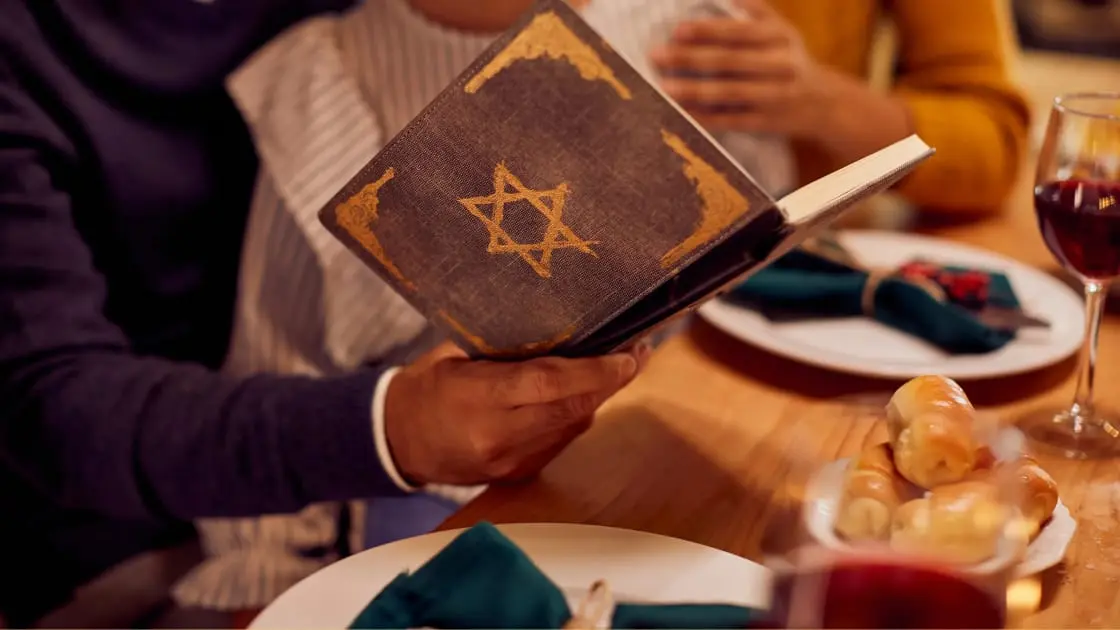
"Explore the deep-rooted beliefs and traditions that explain why cremation is generally forbidden in Judaism, focusing on respect for the body and traditional burial laws"
Why Is Cremation Forbidden in Judaism Beliefs and Traditions Explained
Funeral traditions are deeply connected to faith, culture, and personal beliefs. Within Judaism, practices surrounding death and burial carry significant spiritual meaning and have been followed for generations. One question that often arises is why cremation has historically been discouraged or forbidden within traditional Jewish teachings.
Understanding religious funeral customs can help families approach conversations around loss with greater sensitivity and respect. At Black Tulip Funerals, compassionate support is provided to families from diverse cultural and religious backgrounds, recognising that every farewell should honour personal beliefs and traditions with dignity and care.
Jewish Beliefs About the Body and Burial
Traditional Judaism places strong importance on burial because the body is considered sacred. According to Jewish belief, the human body is viewed as a gift entrusted by God and should therefore be treated with respect both during life and after death.
Historically, burial in the earth has been regarded as the most appropriate and respectful method of laying someone to rest. Many Jewish teachings emphasise returning the body naturally to the earth as part of the cycle of life.
This belief is one of the primary reasons people ask why is cremation forbidden in judaism, particularly when comparing religious customs across cultures.
Religious Teachings and Historical Traditions
Traditional Jewish law, known as Halakha, generally discourages cremation. Burial customs are based on interpretations of religious scripture and long-standing rabbinical teachings that support natural burial practices.
For many observant Jewish families, burial reflects obedience to religious commandments and respect for sacred tradition. Funeral practices are often carried out promptly after death, with simplicity, modesty, and dignity prioritised throughout the process.
Historically, cremation also became associated with painful memories connected to persecution and tragedy during the Holocaust, which further strengthened emotional and cultural resistance to cremation among many Jewish communities.
Not All Jewish Families Hold the Same Views
Although traditional Judaism discourages cremation, modern beliefs and practices can vary between individuals and different branches of Judaism.
Some Reform Jewish families may choose cremation for personal, financial, environmental, or practical reasons. Others continue to follow traditional burial customs closely. Decisions surrounding funerals are often influenced by faith, personal wishes, family values, and cultural identity.
This diversity means there is no single experience that reflects every Jewish family’s beliefs or choices after death.
The Importance of Respecting Cultural Traditions
Funeral traditions often provide emotional comfort and spiritual reassurance during grief. Respecting cultural and religious wishes can help families feel connected to their faith, heritage, and loved ones during difficult times.
At Black Tulip Funerals, services are approached with compassion and sensitivity to individual customs and beliefs. Families are supported in creating meaningful farewells that align with both personal wishes and religious traditions.
Some families may still choose cremation while incorporating spiritual rituals or memorial services that reflect Jewish heritage and values.
Funeral Practices in Judaism
Traditional Jewish funerals are generally simple and focused on humility rather than extravagance. The emphasis is often placed on prayer, remembrance, community support, and honouring the deceased respectfully.
Common traditions may include:
Prompt burial after death
Recitation of prayers
Mourning periods such as Shiva
Modest funeral arrangements
Community support for grieving families
These practices are designed to support both the deceased and surviving loved ones emotionally and spiritually.
According to My Jewish Learning, attitudes towards cremation continue to evolve among some Jewish communities, although traditional teachings still generally favour burial.
Modern Funeral Choices and Personal Preferences
Across many cultures and religions, funeral preferences are becoming increasingly personal. Some families balance traditional beliefs with modern considerations such as affordability, sustainability, or practicality.
For families who choose cremation while still wanting loved ones present for a meaningful farewell, an attending service cremation can provide an opportunity for gathering, reflection, and remembrance before cremation takes place.
Others may prefer quieter arrangements, such as a no service cremation, particularly when planning private memorials later.
A viewing cremation may also provide close family members time for personal goodbyes and reflection in an intimate setting.
Compassion Matters Most During Loss
Religious and cultural discussions surrounding death can feel deeply personal. Families navigating grief may also face complex decisions involving faith, tradition, and individual wishes.
Approaching these conversations with empathy and understanding is incredibly important. Funeral arrangements are not only practical decisions but emotional and spiritual experiences that affect loved ones profoundly.
At Black Tulip Funerals, every family is treated with compassion and respect regardless of cultural background, personal beliefs, or chosen arrangements.
Understanding Jewish Funeral Beliefs
Learning why is cremation forbidden in judaism helps provide insight into the spiritual and cultural significance of burial within traditional Jewish teachings. While beliefs and practices may differ between families and communities, the core focus remains centred on dignity, respect, remembrance, and honouring life thoughtfully.
Whether families follow longstanding religious customs or choose more modern approaches, meaningful support and compassionate guidance can help create farewells that reflect both personal values and deep emotional connection.